



3942 Irving Blvd Dallas, TX
75247
Closed until 8:00am
Search Suggestions
Part Suggestions


Add Vehicle
Add Vehicle

Sign In
Account

Search Suggestions
 Quick Order
January 2026
Written By: Daniel Foulon | Marketing Automation Specialist
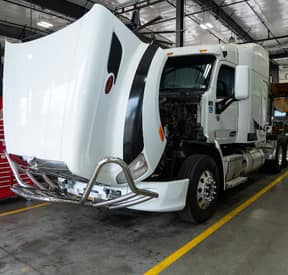
When a truck starts slowly or makes clicking noises during startup, many drivers immediately think of batteries or starters. While those components are common causes, repeated slow cranking can sometimes point to more serious engine-related issues. In severe cases, ongoing starting problems may even lead to crankshaft replacement if they are ignored for too long.
Knowing what slow cranking and clicking sounds mean can help fleets plan service. This can prevent major repairs, unplanned downtime, and higher maintenance costs.
Slow cranking happens when the engine turns over sluggishly instead of starting quickly. Most often, this is caused by low battery voltage, poor cable connections, or a failing starter. However, when those components test within specification and the problem continues, technicians may look deeper into the engine itself.
Excessive internal resistance caused by worn bearings, poor lubrication, or engine damage can make the crankshaft more difficult to rotate. Over time, this increased stress may cause the crankshaft to wear out faster, and in severe situations, a crankshaft replacement might be necessary to ensure the engine runs correctly.
Clicking noises usually mean the starter is trying to engage but cannot fully turn the engine. A single click often points to a starter issue, while rapid clicking is commonly linked to low voltage. But repeated clicking with no identifiable electrical failure may signal mechanical resistance inside the engine.
If the crankshaft cannot rotate freely due to wear or damage, the starter may not generate enough force to turn the engine. Left unaddressed, this can escalate into internal engine failure and significantly increase the overall crankshaft repair cost.
What begins as a slow start can become a major engine repair if warning signs are ignored. Continued operation with internal engine resistance places stress on the starter, battery, and bearings. This not only shortens the life of those components but can also result in catastrophic engine damage.
Early diagnosis is key. Finding internal problems early can help you address them without needing a full crankshaft replacement.
Service should be scheduled if slow cranking or clicking happens often. This is especially important if basic electrical checks do not fix the problem. Technicians are able to inspect both the electrical and mechanical components of the starting system, assessing load, rotational resistance, and the overall condition of the engine.
Addressing problems early can help fleets control crankshaft repair cost and avoid unplanned downtime. Regular inspections during maintenance are very important for trucks with high mileage and heavy-duty applications.
When repairs are required, using reliable heavy duty parts is critical. Engine components operate under extreme stress, and substandard parts can lead to repeat failures. High-quality parts help ensure proper fit, durability, and long-term performance.
FleetPride offers a broad range of heavy duty parts and professional service centers ready to manage intricate engine diagnostics and repairs, such as crankshaft replacement when necessary.
Slow cranking and clicking should never be dismissed as minor inconveniences. They are often early warnings of deeper problems that can escalate quickly. Getting service at the first sign of trouble helps protect the engine, manage repair costs, and keep trucks operating reliably.
FleetPride Service Centers have the skills, tools, and heavy-duty parts to find problems and suggest the right fixes. FleetPride helps prevent a small starting issue from becoming a major engine repair.