



3942 Irving Blvd Dallas, TX
75247
Closed until 8:00am on Monday
- POPULAR SEARCHES
POPULAR PRODUCTS


Add Vehicle
Add Vehicle

Sign In
Account

 Quick Order
December 2025
Written By: Daniel Foulon | Marketing Automation Specialist
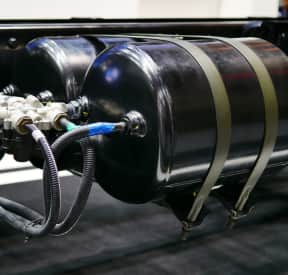
A trailer's air system must work properly to ensure consistent braking and safe use. The main part of this system is the trailer air tank. It holds and regulates compressed air before it goes to valves, chambers, and other truck parts.
When an air tank starts to fail because of rust, contamination, or wear and tear, it can affect the whole system. Understanding the issues an air tank can create allows fleets to prevent delays, reduce repair expenses, and maintain compliance.
Moisture often leads to damage in air systems. A failing trailer air tank may not drain properly, allowing water to accumulate inside the tank. Over time, this leads to rust and dirt getting into the air system.
Moisture in the system may lead to freezing in the lines and valves, reducing airflow, and speeding up wear on brake parts. Contaminants that break loose inside the tank often lodge in valves and fittings, leading to sticking or slow response times. Regularly draining and checking the tank is very important. If you see rust or a lot of debris inside, the tank needs to be replaced.
Air tanks with weak walls or worn seams can start to leak. Even small air loss can lead to slower brakes, uneven pressure, or a compressor that runs too often. Drivers may notice the system struggling to maintain pressure while it's running, and technicians might hear a hissing sound around the fittings or welds.
Air tanks are pressure containers that follow safety rules, so they cannot be fixed. If there is a confirmed leak, it needs to be replaced right away to keep the braking system working safely.
As a trailer air tank begins to shed rust or scale internally, these tiny fragments can enter valves, brake chambers, and the ABS system. Dirty valves can lead to malfunction, causing brakes to either work unevenly or have a delayed response. In serious cases, debris can completely block the valves, making it harder to brake and raising safety risks.
Contamination also accelerates wear on costly components. By changing a failing air tank early, fleets can prevent problems with valves and other important parts.
A broken trailer air tank reduces airflow and affects the balance and timing of the braking system. Less air in the system makes brakes slow to respond. This leads to longer stopping distances and uneven performance on the trailer's wheels. These problems do not just pose a safety threat; they also increase the likelihood of inspection failures.
Keeping a good air supply helps brakes get the steady pressure they need to work well, no matter how heavy the load is.
When an air tank cannot hold pressure well, the tractor's compressor has to work harder to keep the system at the right levels. This constant cycling leads to increased fuel consumption, added wear on the compressor, and higher operational costs. Taking care of tank problems early can protect other important parts and improve overall system performance.
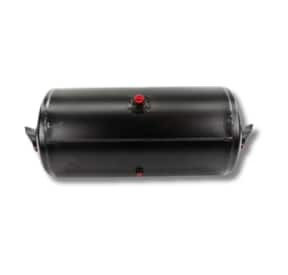
When operators search for trailer parts near me, they need access to dependable inventory and experienced support. FleetPride provides a wide selection of DOT-compliant air tanks, brake components, valves, and related truck parts, backed by knowledgeable staff and a nationwide network of locations.
A failing trailer air tank can trigger moisture buildup, air leaks, valve contamination, braking inefficiencies, and added strain on compressors. It is important to check trailers regularly and replace parts quickly to keep them safe and working properly.
FleetPride provides the tools, knowledge, and parts that fleets need to keep their air brake systems and air tanks working well all year.
*The foregoing is provided for informational purposes only. Please consult your local FleetPride Heavy Duty Experts to verify the suitability of a part for the intended application.