



3942 Irving Blvd Dallas, TX
75247
Closed until 8:00am on Monday
- POPULAR SEARCHES
POPULAR PRODUCTS


Add Vehicle
Add Vehicle

Sign In
Account

 Quick Order
January 2026
Written By: Daniel Foulon | Marketing Automation Specialist
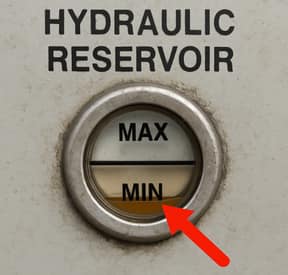
Hydraulic systems support many essential functions on semi trucks, including power steering, braking assistance, lift gates, and auxiliary equipment. At the center of these systems is the hydraulic reservoir, which stores fluid and helps regulate pressure and temperature.
When reservoir issues develop, hydraulic performance often suffers. Understanding the most common problems and the role a consistent fluid level check plays in prevention can help fleets avoid unnecessary repairs and downtime.
Low hydraulic fluid levels are one of the most common issues found in semi truck hydraulic systems. Small leaks in hoses, fittings, or seals can slowly reduce fluid levels over time. When fluid drops too low, air can enter the system, causing noise, sluggish response, and inconsistent pressure.

Contaminated hydraulic fluid is another frequent cause of reservoir-related problems. Dirt, moisture, metal particles, and degraded fluid can build up inside the reservoir, increasing wear across the system. Over time, contamination reduces efficiency and accelerates component failure.
Proper filtration is critical to controlling contamination. Filters such as the SME25 hydraulic filter are designed to capture harmful particles before they circulate through the system. When checking equipment, evaluating fluid level and condition can reveal contamination issues.
Even the correct filter can cause problems if it is not serviced on schedule. As filters collect debris, fluid flow becomes restricted, leading to pressure drops, heat buildup, and slower system response. In severe cases, restricted filters may force fluid to bypass filtration entirely.
Inspecting filters during routine maintenance and replacing them as needed helps maintain consistent hydraulic performance. Using quality parts for trucks and trailers ensures proper fit and reliable filtration across a range of hydraulic applications.
Hydraulic reservoirs rely on proper venting to balance internal pressure as fluid levels change. Blocked or damaged breather vents can lead to pressure buildup or vacuum conditions inside the reservoir. This may cause foaming fluid, seal damage, or erratic hydraulic behavior.
A fluid level check can reveal early signs of venting problems, such as aerated or discolored fluid. Identifying these symptoms early helps protect seals and maintain stable system operation.
Reservoirs are exposed to vibration, heat, and road debris, making them vulnerable to cracks, loose mounting hardware, and structural wear. Even small cracks can cause slow leaks that are easy to miss without regular inspection.
Visual inspections combined with a consistent fluid level check help identify physical damage before it leads to more serious hydraulic system failure.
Many hydraulic problems can be found during regular checks, but some require specialized tools and expertise to diagnose accurately. If you have fluid loss, contamination, or performance problems, FleetPride Service Centers can check your hydraulic systems and suggest the right repairs or replacement parts.
With access to experienced technicians and a broad selection of parts for trucks and trailers, FleetPride helps fleets keep hydraulic systems operating reliably and efficiently.