



3942 Irving Blvd Dallas, TX
75247
Closed until 8:00am on Monday
Search Suggestions
Part Suggestions


Add Vehicle
Add Vehicle

Sign In
Account

Search Suggestions
 Quick Order
January 2026
Written By: Daniel Foulon | Marketing Automation Specialist
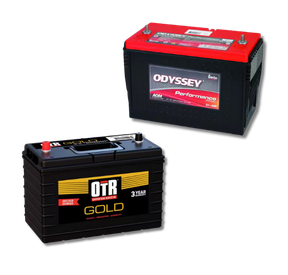
Repeated battery replacements are a common issue across many fleets, regardless of battery size or application. Though a Group 31 battery is commonly chosen for heavy-duty trucks, frequent failures often aren't specific to just one battery type. Battery problems often indicate larger electrical system concerns that can impact the entire starting and charging system.
Understanding the root causes of battery failures, regardless of style or brand, helps fleets minimize downtime, manage expenses, and enhance reliability.
All truck batteries, like a Group 31 battery or other heavy-duty types, use the same basic electrical systems to function properly. The starter, alternator, cables, and vehicle electronics all play a role in how long a battery lasts.
When the alternator is not producing sufficient output, batteries are left partially charged after each drive cycle. Chronic undercharging leads to internal damage, reduced capacity, and early failure. In these cases, replacing the battery alone only delays the next breakdown.
Parasitic draw is one of the most overlooked causes of battery failure across fleets. Modern trucks contain electronic control modules, tracking systems, in-cab accessories, and aftermarket equipment that may continue drawing power after the truck is shut off.
When excessive draw is present, batteries discharge during downtime—especially overnight or over weekends. Repeated deep discharges significantly shorten battery life, including premium OTR battery options designed for heavy-duty use.
Battery performance is heavily influenced by how a truck operates. Vehicles that run short routes, make frequent stops, or idle for long periods often do not allow enough time for the charging system to replenish battery power.
Over time, batteries may not fully recharge. This speeds up battery wear, no matter if it uses a Group 31 battery or another type. Even high-quality OTR battery products will fail early if charging conditions are poor.
Extreme temperatures increase battery stress. Cold weather raises starting demands, while heat accelerates chemical breakdown inside the battery. Fleets operating in harsh climates often see higher failure rates when batteries are already compromised by electrical issues.
Installation also matters. Loose connections, corrosion, improper mounting, or mismatched battery specifications can all reduce service life. A properly installed Group 31 battery, or any heavy-duty battery, requires secure mounting and tight connections to perform reliably.
Emergency tools, like the Start All Jump Pack from Goodall, are valuable for getting trucks back on the road quickly. A jump pack can prevent delays and reduce the need for towing. However, frequent reliance on a Start All Jump Pack is a clear indicator of an unresolved battery or charging system problem.
Reducing repeat battery replacements requires looking beyond the battery itself. System-level testing that evaluates the battery, alternator, starter, and electrical draw together provides accurate diagnostics and prevents unnecessary replacements.
FleetPride Service Centers offer professional electrical testing and access to dependable OTR battery solutions, to identify root causes. Addressing these issues early helps fleets extend battery life, reduce emergency starts, and keep trucks operating efficiently.