The Delphi TC2161 Front Lower Control Arm is engineered to meet the rigorous demands of modern suspension systems in vehicles such as the Audi Q3, Q3 Quattro, Volkswagen CC, Passat, Passat CC, and Tiguan. Designed as a direct replacement for the original equipment part number 3C0-407-151 G, this control arm ensures precise fitment and reliable performance, thereby minimizing downtime and maintenance costs for fleet operations.
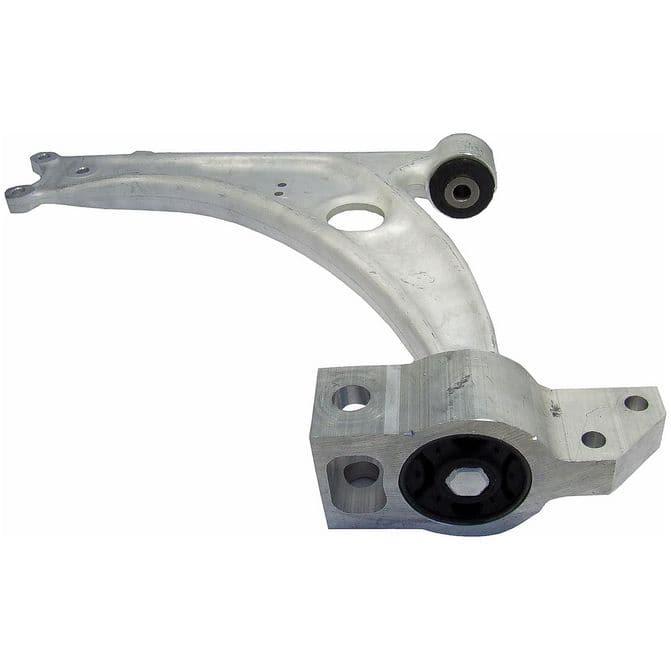
Constructed from high-strength cast aluminum, the TC2161 offers a lightweight yet durable solution that contributes to improved fuel efficiency and handling. The material choice also aids in corrosion resistance, extending the service life of the component and reducing the frequency of replacements. Each control arm undergoes comprehensive crack detection and ultrasonic flaw testing, adhering to Original Equipment (OE) standards to guarantee structural integrity and safety.
The TC2161 features precision-engineered pivot points and bushings made from a combination of rubber, steel, and aluminum. This design facilitates smooth joint movement, enhancing vehicle stability and ride comfort. The bushings are pre-installed, streamlining the installation process and reducing labor time, which is a significant advantage for fleet maintenance schedules.
Delphi's commitment to quality is evident in the TC2161's performance under extreme conditions. The component is tested to withstand temperatures ranging from -40°C to over 120°C and is exposed to 720 hours of salt spray, ensuring reliable operation in diverse environments. This rigorous testing process underscores the control arm's durability and its ability to maintain performance standards over time.
By integrating the Delphi TC2161 Front Lower Control Arm into your fleet's maintenance program, you address common suspension issues that can lead to uneven tire wear, compromised handling, and increased fuel consumption. The control arm's design and material composition contribute to enhanced vehicle performance, operational efficiency, and reduced total cost of ownership, making it a prudent choice for fleet operators seeking to optimize their vehicle maintenance strategies.






 Quick Order