Maximum character limit has been reached. Please use address line 2 if needed.
Warning
Location changes will apply to all items in your cart and may affect pricing and availability.
No nearby stores found
Share
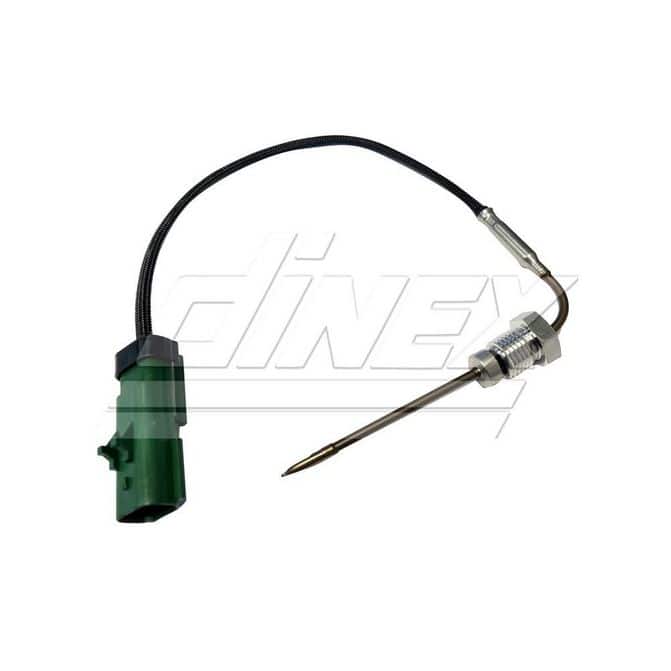
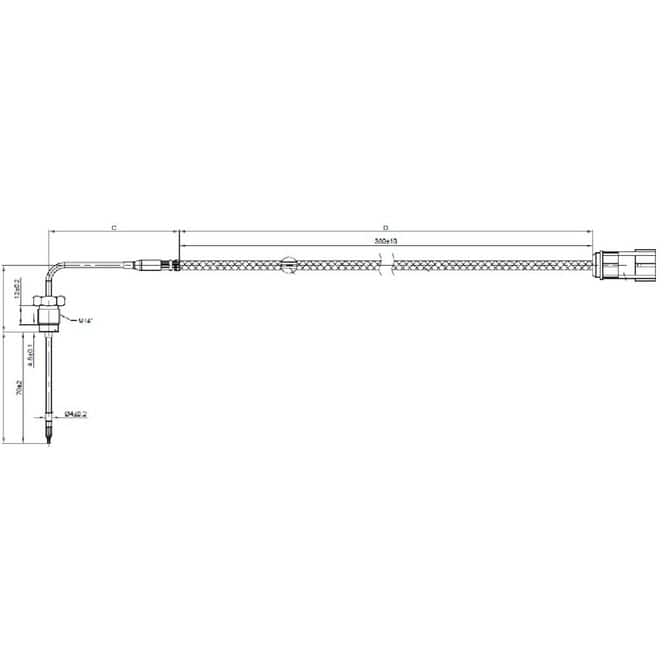
Dinex Emissions Inc Exhaust Gas Temperature Sensor, SCR Inlet/Outlet for Detroit Diesel is a dedicated exhaust gas temperature (EGT) sensor designed to monitor temperatures at SCR and DOC locations on Detroit Diesel-equipped fleets. This sensor provides the real-time temperature data required by aftertreatment control systems to regulate dosing, maintain catalyst efficiency, and prevent thermal events that can lead to forced regenerations or component damage. Sourced and tested as a direct replacement for OE sensors used at SCR inlet and outlet positions, the unit is validated through manufacturer test procedures and third-party accreditation to ensure consistent electrical response and repeatable temperature readings over time. For fleet operations, accurate EGT measurement supports stable selective catalytic reduction (SCR) dosing strategies and reliable diesel oxidation catalyst (DOC) performance, which can translate to measurable reductions in unplanned downtime and optimized fuel consumption associated with improper aftertreatment behavior. The sensor is offered with a one-year manufacturer warranty and is supplied as a new, drop-in replacement intended for straightforward installation procedures common to exhaust aftertreatment sensors. Service teams will recognize the value of a tested replacement that minimizes diagnostic time, restores proper aftertreatment feedback, and helps return assets to revenue service more quickly. Cross-referenced to common Detroit Diesel OE part numbers for identification at point of service, this Dinex temperature sensor focuses on maintaining precise thermal monitoring where it most directly impacts SCR/DOC control logic and fleet uptime.
Directly replaceable with OE Sensors
Tested at Dinex Test Center
Tested and accredited by third party
A good choice for proper ATS functionality without compromised fuel consumption






 Quick Order