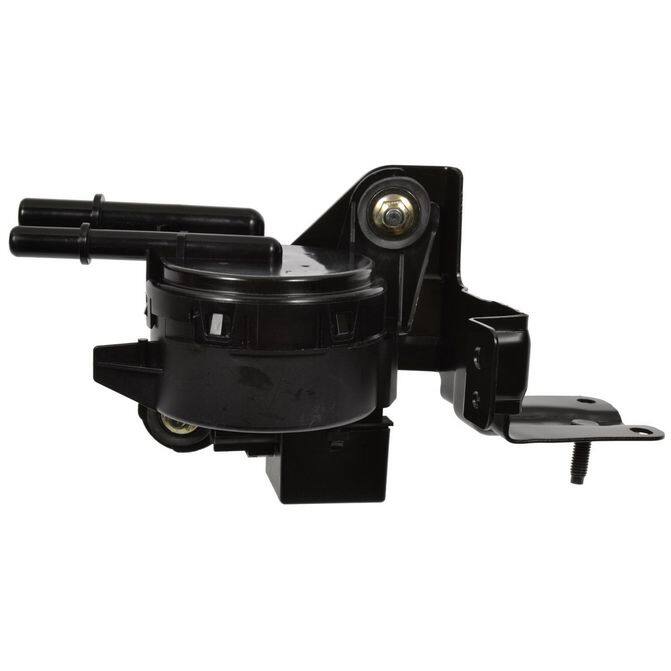
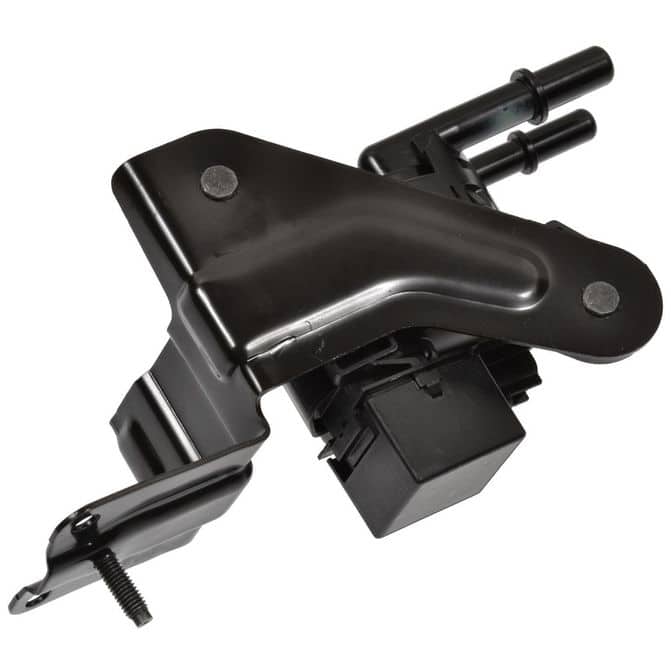
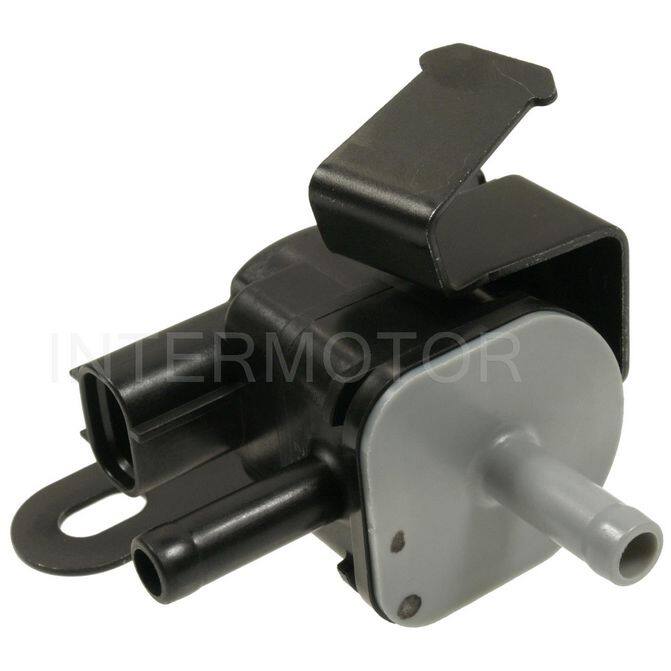
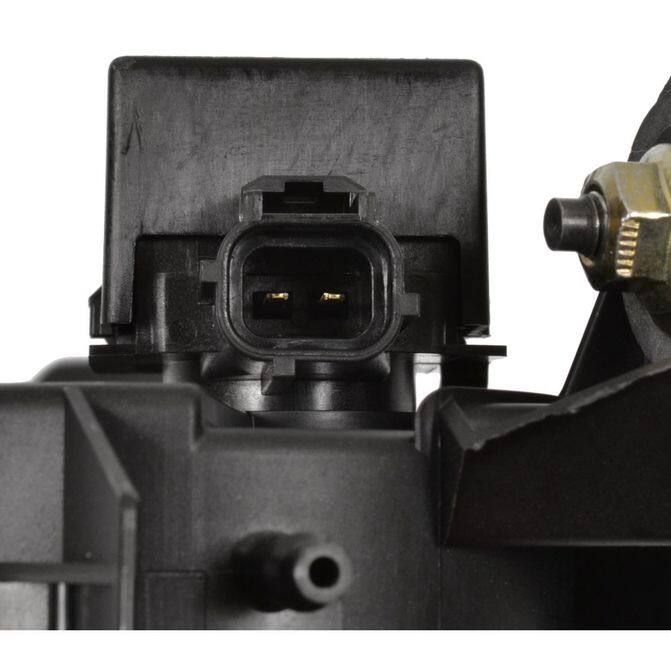
The Standard Ignition CP676 Vapor Canister Purge Valve is engineered to effectively manage fuel vapor emissions in vehicles, ensuring compliance with environmental standards and optimal engine performance. This component plays a crucial role in the vehicle's evaporative emission control system by regulating the flow of fuel vapors from the charcoal canister to the intake manifold, where they are safely combusted. By maintaining precise control over this process, the CP676 valve helps prevent the release of harmful vapors into the atmosphere, thereby reducing the vehicle's environmental impact. Constructed from high-grade industrial plastic, the valve is designed to withstand the demanding conditions of the engine compartment, including exposure to extreme temperatures and corrosive substances. This durability ensures a long service life and reliable operation, minimizing the need for frequent replacements and reducing maintenance costs for fleet operators. The CP676 valve features OE-matched connectors and terminals, facilitating a seamless installation process and ensuring a secure electrical connection. This design consideration not only simplifies the replacement procedure but also enhances the overall reliability of the emission control system. By integrating the Standard Ignition CP676 Vapor Canister Purge Valve into your fleet's maintenance routine, you can address common emission-related issues, such as engine stalling, rough idling, and increased fuel consumption. These problems often arise from a malfunctioning purge valve, leading to suboptimal engine performance and higher operational costs. The CP676 valve's precise engineering and robust construction provide a cost-effective solution to these challenges, contributing to improved vehicle efficiency and reduced downtime. In summary, the Standard Ignition CP676 Vapor Canister Purge Valve offers a high-quality, durable, and easy-to-install solution for managing fuel vapor emissions. Its design and construction address common operational issues, delivering measurable value to fleet operations by enhancing vehicle performance, reducing maintenance expenses, and supporting environmental compliance.






 Quick Order